
Delta-9 THC Explained: Formats, Potency, Effects, and Product Transparency
Delta-9 THC is one of the most recognized compounds naturally present in cannabis. Its scientific name is delta-9-tetrahydrocannabinol, and it is widely known for producing the intoxicating effects associated with cannabis use. Today, Delta-9 THC appears in several consumer formats, including gummies, infused beverages, and other edible products.
For adults who are learning about these products, understanding the label is essential. THC strength, serving size, ingredients, testing information, formulation, and local regulations can all influence how a product should be considered.
Ounce of Hope provides cannabinoid-related products and educational information that can help adults better understand Delta-9 THC and the differences between the many product types available.
How Delta-9 THC Interacts With the Body
Delta-9 THC is a naturally occurring cannabinoid that interacts with the body's endocannabinoid system. This system includes receptors connected to functions such as mood, movement, appetite, memory, and perception.
The phrase THC delta 9 is another common way of referring to Delta-9 THC.
Although the cannabinoid is the same, the experience can vary greatly from person to person. Tolerance level, metabolism, body chemistry, serving size, recent food intake, and product format may all influence the response.
This variation is one reason consumers should not expect identical results from the same product.
Why Delta-9 THC Products Are Not All the Same
Delta-9 THC can be delivered in several ways, and each format may have its own characteristics.
Some products are made as gummies or other edible forms, while others are available as drinks. The amount of THC per serving may also vary significantly.
For this reason, reviewing the full product information is important.
Consumers should look at serving size, cannabinoid concentration, ingredient details, and usage instructions before using a product.
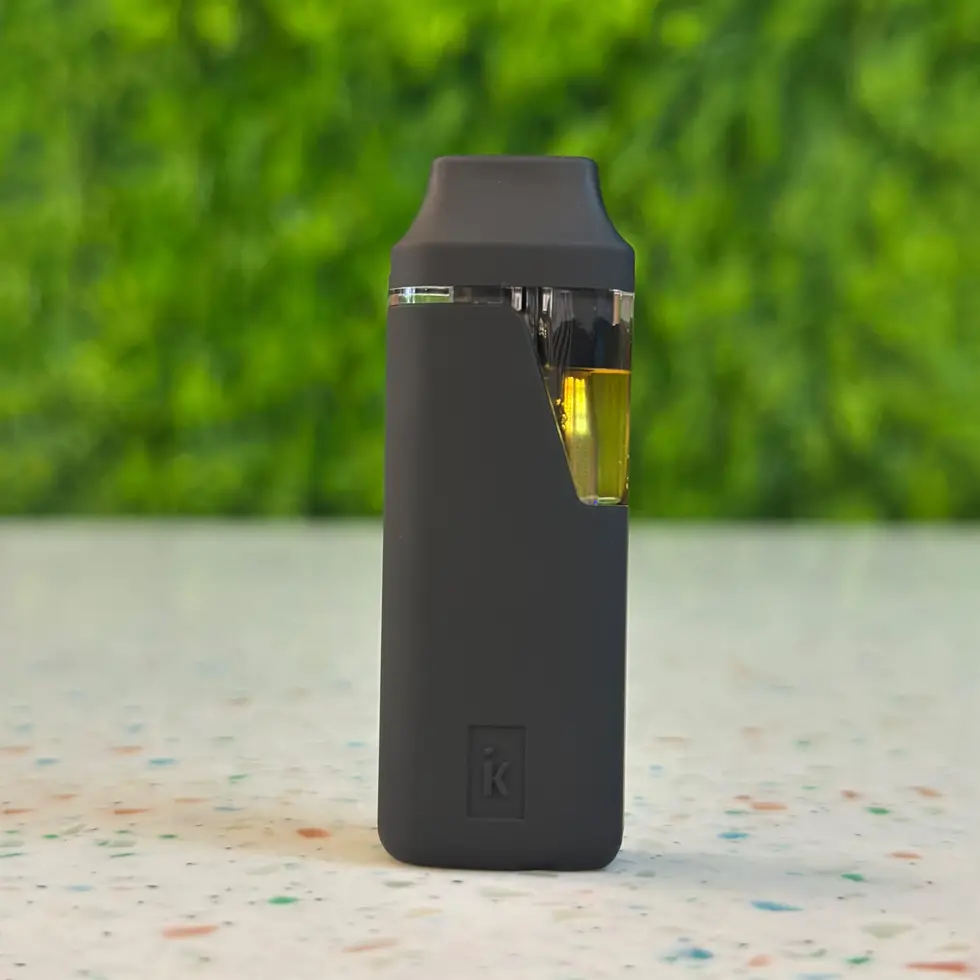
Understanding Delta 9 THC Seltzer
A Delta 9 THC seltzer is a carbonated drink formulated with a measured quantity of Delta-9 THC.
These beverages provide a non-inhaled format, but their formulations can differ from one product to another.
Some may contain different THC concentrations, flavors, sweeteners, or additional cannabinoids.
The label should clearly explain how much THC is included in each serving and whether the container holds more than one serving.
What Makes Delta 9 Edibles Different?
Delta 9 edibles are consumable products that contain Delta-9 THC.
Gummies are a common example, but THC can also appear in chocolates, baked products, drinks, and other edible formats.
One of the main differences between edibles and inhaled cannabis is the way the body processes them.
Edibles pass through the digestive system, which means their effects may take longer to become noticeable.
This delay can sometimes lead consumers to take more before the original serving has fully taken effect.
Following the suggested serving information and allowing enough time can help reduce the possibility of unexpectedly strong effects.
What to Check When Reviewing Delta-9 Gummies
People searching phrases such as buy delta 9 gummies may come across many products with different strengths and formulations.
Important details include the amount of THC per gummy, total THC in the package, ingredient list, serving guidance, and available testing information.
Flavor and appearance may be appealing, but they do not indicate potency.
A clear product label should make it easy to understand how much THC is present in each serving.
If other cannabinoids are included, their amounts should also be disclosed.
Potency Is an Important Part of the Product
THC strength can influence the overall experience.
Potency is generally measured in milligrams, but consumers should confirm whether the number shown refers to one piece, one serving, or the entire package.
Previous experience with THC can also affect the response.
Someone with a higher tolerance may react differently from an individual who rarely or never uses THC.
Larger amounts may increase the likelihood of effects such as dizziness, nervousness, fatigue, reduced coordination, or altered perception.
For this reason, potency should be understood as a product characteristic rather than a measure of quality.
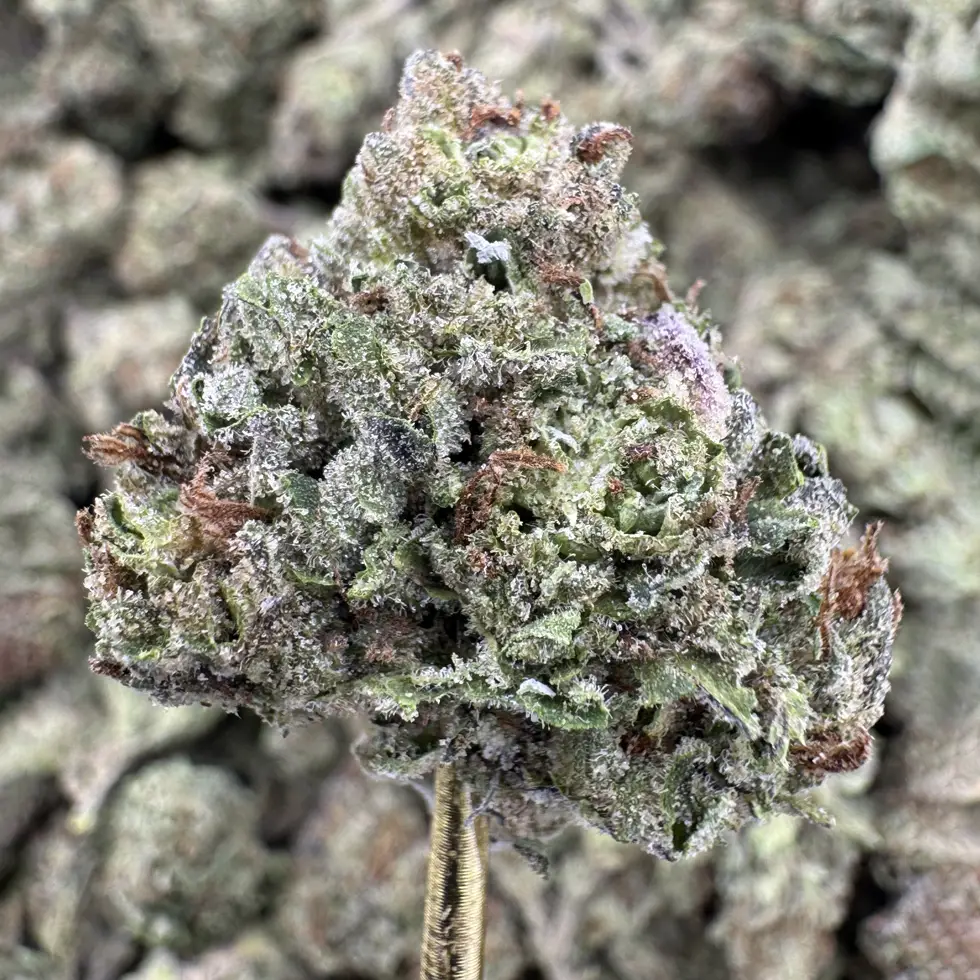
Evaluating Online THC Delta 9 Information
Adults researching Online THC delta 9 products may encounter a wide range of websites and formulations.
The quality of information presented online can vary.
A detailed product page should clearly explain THC concentration, serving size, ingredients, cannabinoid profile, and testing information when available.
Searches such as Buy Thc Delta 9 or buy online THC delta 9 may return many different options, but consumers should focus on clarity and transparency.
When important information such as potency or ingredients is missing, it becomes more difficult to understand the product properly.
What Laboratory Testing Can Show
Laboratory testing can provide useful details about cannabinoid products.
Many Delta-9 THC products include access to a certificate of analysis, commonly called a COA.
This report may list measured concentrations of Delta-9 THC, CBD, and other cannabinoids.
Depending on the testing performed, it may also provide information about certain contaminants.
Consumers should verify that the COA corresponds to the correct product and production batch.
Testing information is most meaningful when it can be matched directly to the product being reviewed.
Delta-9 THC Effects Can Vary
There is no universal response to Delta-9 THC.
Some people may experience relaxation or changes in perception, while others may notice dizziness, nervousness, tiredness, or reduced concentration.
The experience may depend on metabolism, tolerance, serving size, individual body chemistry, and the type of product used.
THC can also affect judgment, reaction time, and coordination.
Because of this, driving, operating machinery, or performing tasks that require full attention should be avoided while impaired.
THC Drinks and Edibles Can Feel Different
A beverage and an edible may both contain Delta-9 THC, yet the experience may still differ.
A Delta 9 THC seltzer may be formulated differently from gummies or other Delta 9 edibles.
Those formulation differences can influence how the product is processed by the body.
Even when two products contain the same labeled amount of THC, factors such as timing, food intake, product format, and personal tolerance may affect the experience.
The instructions for each specific product should therefore be followed carefully.
Ingredients Matter Beyond THC Content
THC is only one part of the product formulation.
Consumers should also review other ingredients.
A product may include sweeteners, flavoring agents, allergens, additional cannabinoids, or other components.
This information may be especially important for people with dietary restrictions or ingredient sensitivities.
Ounce of Hope can help support informed decision-making by providing clear information about cannabinoid content, ingredients, and product formulation.
Why Responsible Storage Is Essential
THC-containing products should be stored securely.
Gummies, beverages, and other edibles may resemble ordinary snacks, sweets, or drinks.
This can create a risk of accidental consumption.
Products should be kept away from children and pets and, whenever possible, stored in their original packaging.
Original packaging keeps important information available, including potency, ingredients, warnings, and serving instructions.
Using unmarked containers can make THC products easier to mistake for regular food or drinks.
Learning Before Using Delta-9 THC
Understanding the product should come before using it.
Consumers should review strength, serving size, ingredients, testing details, product format, and applicable local regulations.
Whether someone is researching THC delta 9, Delta 9 THC seltzer products, Delta 9 edibles, or other cannabinoid options, accurate information is essential.
Clear labeling and transparent product details can make it easier to understand how one product differs from another.